
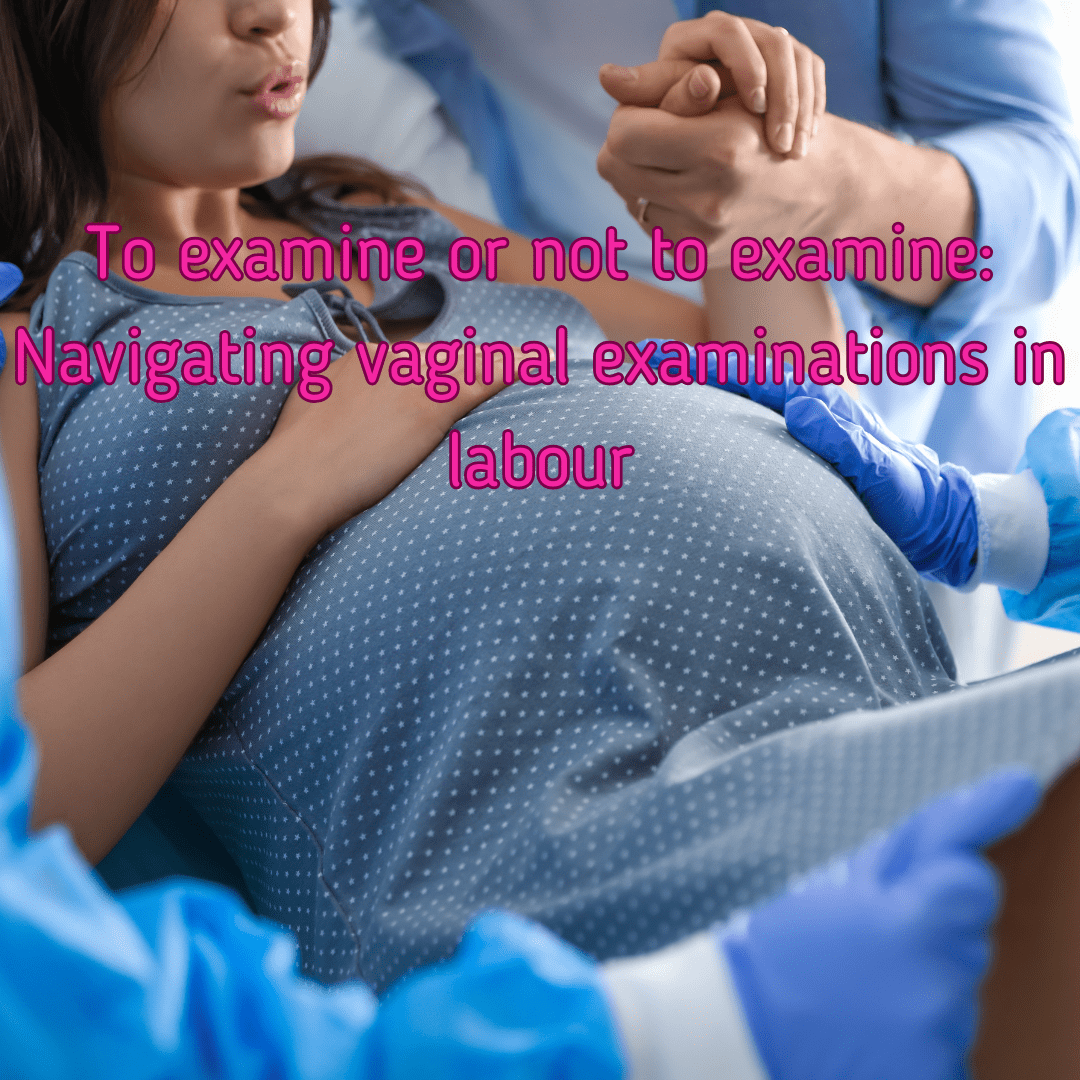
Do you hear mothers talking about how many cms they were at points in their labour. Like ‘I arrived at the hospital and I was only 2cms!’ Do you have any idea what they are talking about? They are referring to the number of cms their cervix was dilated, this is worked out by a midwife or Dr who inserts their fingers into your vagina to feel your cervix, the opening to your uterus which your baby will move through. They are a common routine part of the experience of birth in the U.K. but did you know that they actually don’t tell you that much. They are often used to plot labour onto a graph and as a machine you are expected to dilate 1cm every hour. Failure to meet this and a failure to be patient on the medical staff side often ends in your labour being sped up artificially.
But here is the thing…you are not a machine and your uterus and your baby do not know they are meant to fit a graph. Something many women do not realise, I certainly didn’t in my first 2 pregnancies, is that you do not need to have a vaginal examination, not even if the hospital says you have to in order to be allowed access to birth centre. There are other ways to assess active labour.
To help you make an informed choice here are some of the risks of having vaginal examinations and links to further research.
- They are invasive. You might not feel comfortable with some one touching you do intimately. This is a perfectly acceptable reason to decline a Vaginal Examination (VE)
- They can be painful. Not for everyone but it can be. You don’t have to breath through the pain, you can just ask them to stop, at any point.
- The measurements are subjective. They are not putting a tape measure up there, it is just through feel and a measurement can be different depending on who is measuring.
- The results are misleading. They are a snapshot not a prediction of what your cervix will do in the near future. You could dilate very quickly, you just don’t know.
- They can result in an accidental rupture if the membranes. This is not that uncommon and will alter how you birth progresses and increase risks to the baby.
- They increase the chance of an infection. You want to reduce the chance of this especially if your waters have already broken.
- They prevent the woman from trusting their body. You shift the balance towards an external expert. If a woman feels like things are progressing well and a VE doesn’t match that, it can be disempowering and disrupt her hormones slowing labour down.
Further research:
https://www.aims.org.uk/information/item/vaginal-examinations
https://birth-ed.co.uk/blog-1/2022/7/22/are-vaginal-examinations-ever-a-good-idea
Podcast episodes:
The Midwives Cauldron where Dr Rachel Reed and Katie James discuss Vaginal Examinations. https://www.buzzsprout.com/1178486/episodes/12666613
Birth-Ed Megan Rossitor talks to Emma Ashworth, a Birth Rights Consultant. https://podcasts.apple.com/gb/podcast/the-birth-ed-podcast/id1485321117?i=1000634341054
Remember vaginal examinations are not necessary, if you don’t want them; just say no. Only you can make the decision but you don’t have to go along with something just because it is routine and expected. You might choose to have one, several or none, it is your body, only you get to decide who touches you. But be warned that many hospitals are expected to offer them every 4 hours.
If you are looking for antenatal and hypnobirthing classes in West Oxfordshire (Woodstock, Witney, Eynsham, Kidlington, Charlbury, Chipping Norton, Bicester) then have a look at my group and private classes, held in Combe Community hub or at your own home if a private client. My classes combine a comprehensive antenatal care course with the techniques of hypnobirthing that will help you stay calm and prepared for the twists and turns of labour.
 Courageous Births and Beyond Empowering Calm, Confident Birth