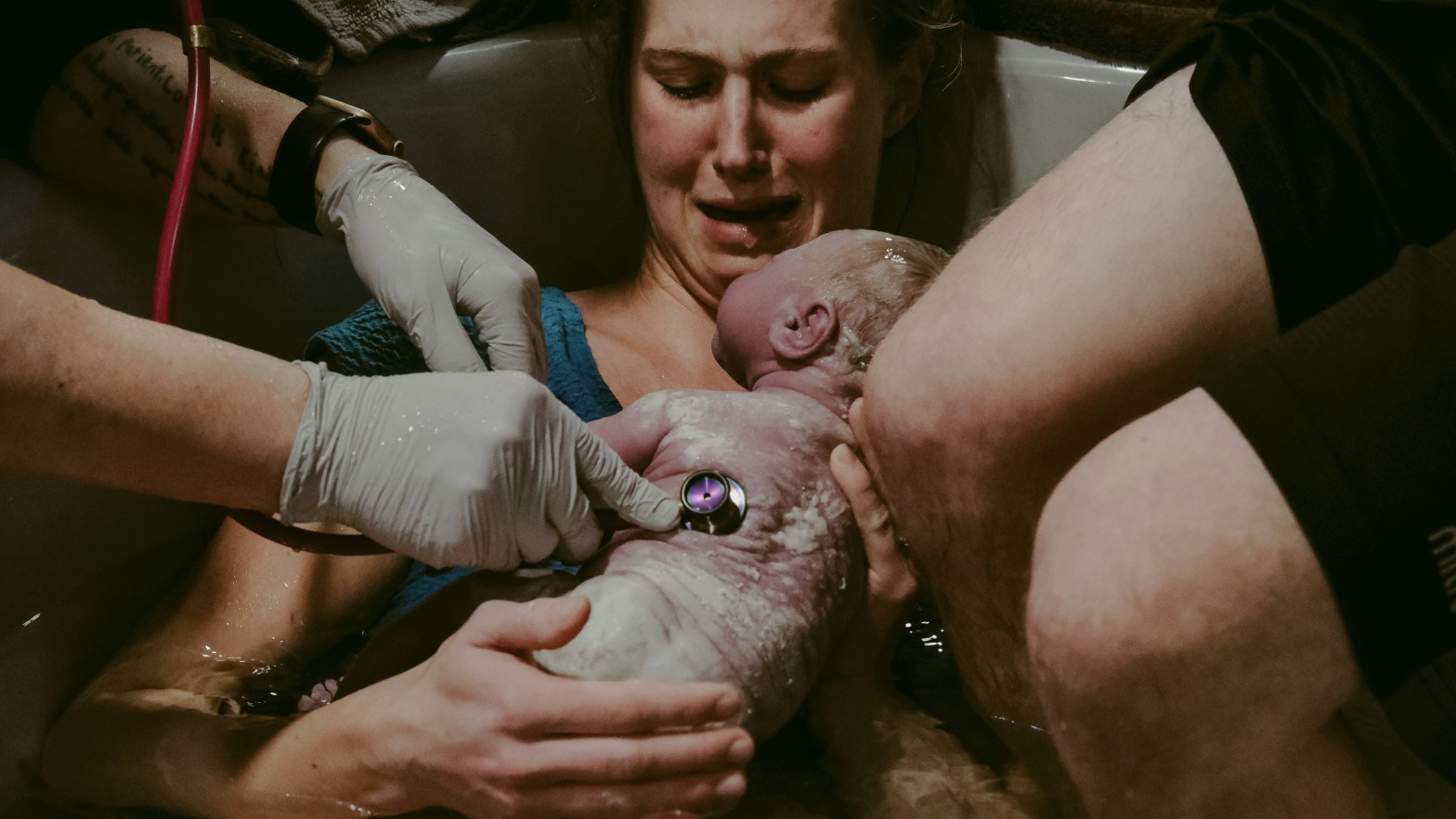
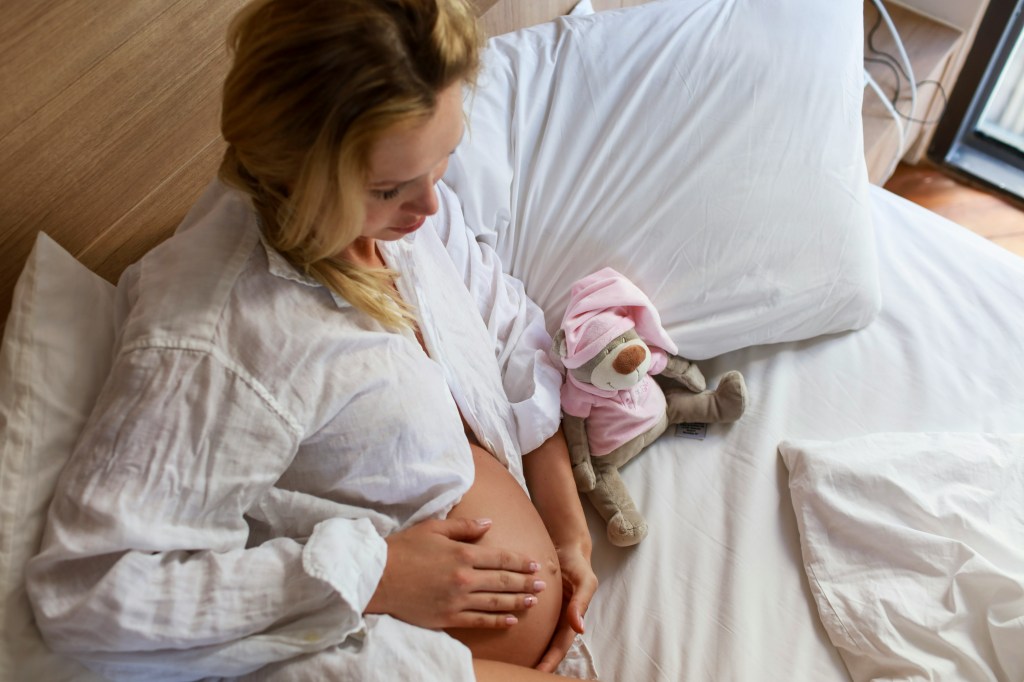
Photo by Juliia Abramova
Facing your fears about Homebirth
If you are pregnant, you are probably starting to think about what kind of birth you want and where it might happen. Maybe homebirth has crossed your mind, or maybe it hasn’t. Either way, I wouldn’t be surprised if there’s a swirl of feelings brewing inside you.
Maybe you are down right terrified. Maybe you’ve never seriously considered homebirth because everyone around you, your partner, your mum, your friends, random work colleagues, tell you that homebirth is ‘too risky’ or even just ‘oh, that was definitely not for me!’. You might feel pressured to ‘just take the drugs’ (that was my own mother’s only advice). And yet … you’re wondering if there could be another way. You might feel like the only now quietly questioning the hospital timeline, secretly homing there’s an approach to brith that feels calmer, more connected; more like you.
That can feel lonely. But you are not alone.
What homebirth planning really means?
Here’s the thing, planning a homebirth is about so much more than where you actually give birth. It’s about a mindset shift that can completely change how you experience labour. When you plan a homebirth, you’re taking ownership of your birth in a way that hospitals don’t encourage. There, it’s more about what you’re allowed to do, rather than what you are capable of. You are constantly reminded to ‘stay at home as long as possible’ but with so much focus on when is the right time to go in rather than what can you do to help you stay at home as long as possible.
When you plan a homebirth, you have to get comfortable with that discomfort by knowing lots of ways to ease it, so you can find the right one or five on the day. You understand how your hormones work and create an environment where you body can do what it is designed to do.
Research backs this up, the Lancet (2020) study on planned home births showed a huge reduction in interventions and increased maternal satisfaction compared to hospital births. Here is a brief summary:
- 40% less likely to have a caesarean section
- 50% less likely to have an instrumental delivery
- 55% less likely to have an episiotomy
- 75% less likely to develop an infection
- 40% less likely to have a 3rd or 4th degree tear
- Plus there is no increased risk of adverse outcomes to you or baby
That’s not just a ‘nice to know’- it can completely change how you view birth.
Let’s talk about the fears
Of course, fears come up, constantly.
“What if something goes wrong?”
“What if I need more pain relief?”
“What if I don’t progress?”
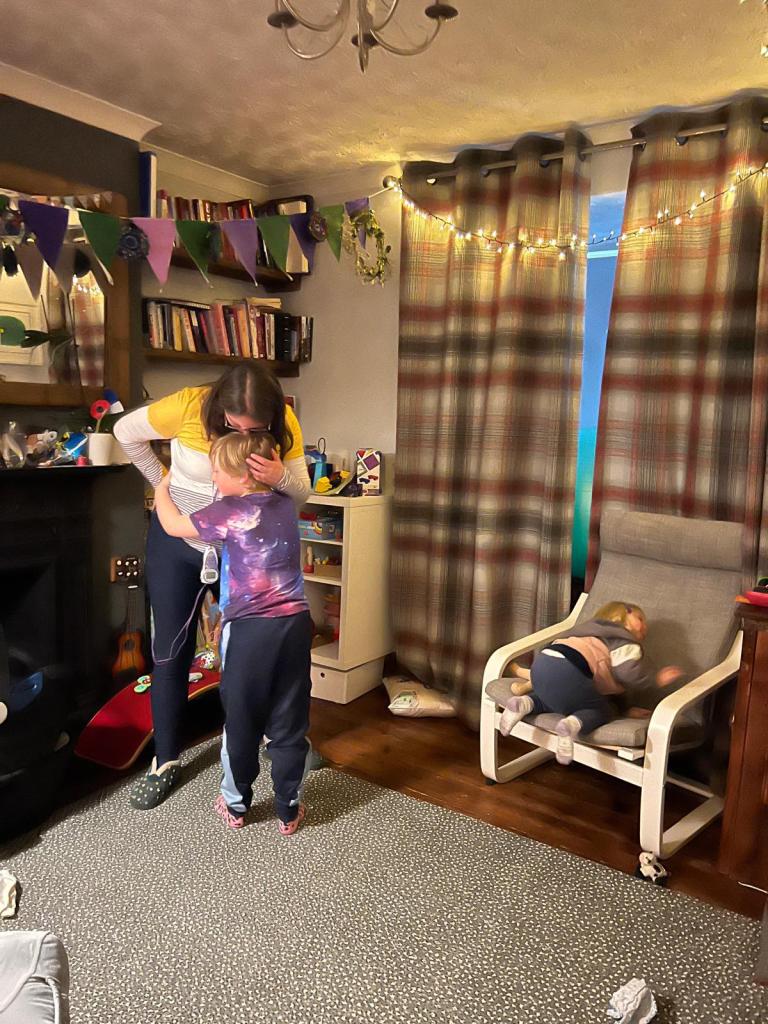
These are completely valid concerns. But the evidence shows that when births aren’t interrupted by routing hospital timelines and interventions, things are less likely to go wrong. At home, you’re not on anyone else’s schedule, just your own. You can take active steps to get rest during labour without anyone looking at the clock and wanting you to progress quicker. You can use a variety of comfort measures, move around your home, find different places or things to hold on to during contractions. Homebirths can include options like gas and air or pethidine, alongside warmth, movement, water, a tens machine, a hot water bottle, a warm cup of tea, and just as importantly the soothing presence of your own people and your own space.
I went for a walk during labour and ended up mooing with the cows on the common behind our house. They gave me space, but they were watching. Almost like they understood what was going on. I felt held. Observed, yes but not monitored. There’s a difference.
Your partner might be unsure, but that’s where understanding the science can help. When they learn how a homebirth can actually support your safety and wellbeing, and how hospital birth comes with its own set of risks, especially when induction is involved, then confidence can grow.
Your environment is everything
Planning a homebirth means planning for the environment your body thrives in.
Oxytocin, the hormone that helps labour progress, works best when you feel safe, unobserved and comfortable. Imagine being snuggled on your own sofa, eating your own home-cooked food, watching your own TV, surrounded by your kids or pets, in your own bed or bath.
This isn’t just about comfort; it’s biology. When you feel safe, your hormones flow. When your hormones flow, labour unfolds more smoothly. Understanding this connection between environment, hormones, and comfort measures helps you feel more in control and less like you’re fighting against your own birth.
And that’s not just a ‘nice to have’, it’s critical because birth hormones don’t flow when you feel watched, judged, or rushed.
You don’t have to choose homebirth to think like a homebirther
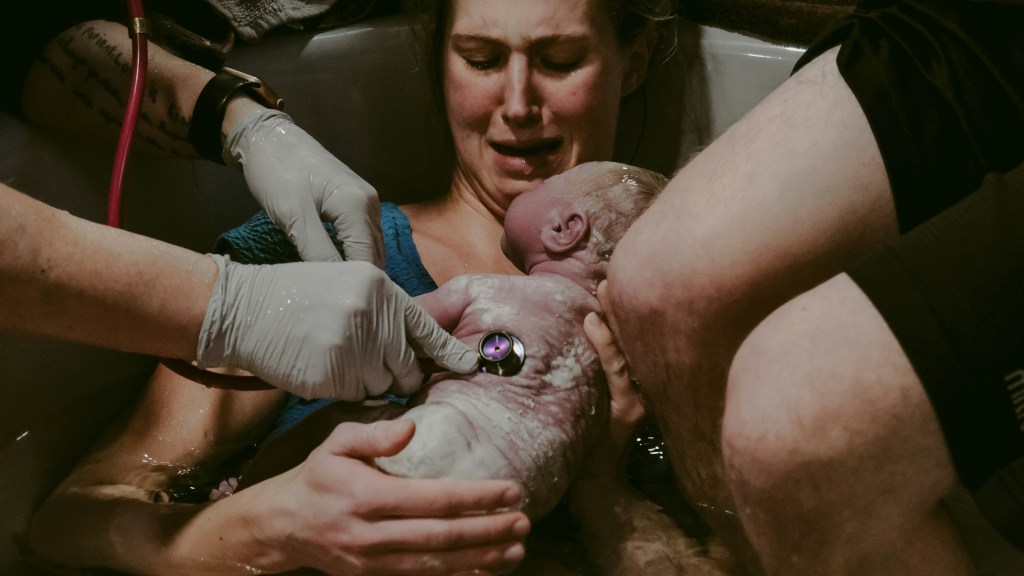
Photo by Olivia Anne Snyder
So here is a little warm invitation to you: even if you’re not sure a homebirth is for you, start by planning your environment and thinking about early labour the way you would if you were planning on being at home the whole time.
Open your mind to a different kind of birth experience, one where you set the pace and the tone. This simple shift in mindset can change everything about how you feel going into labour.
You don’t have to make any big declarations or decisions. Just being by picturing what early labour could look like if you were totally in your own rhythm.
If you want to chat through ideas or worries, message me, I’m always up for a good birth conversation.
 Courageous Births and Beyond Empowering Calm, Confident Birth