
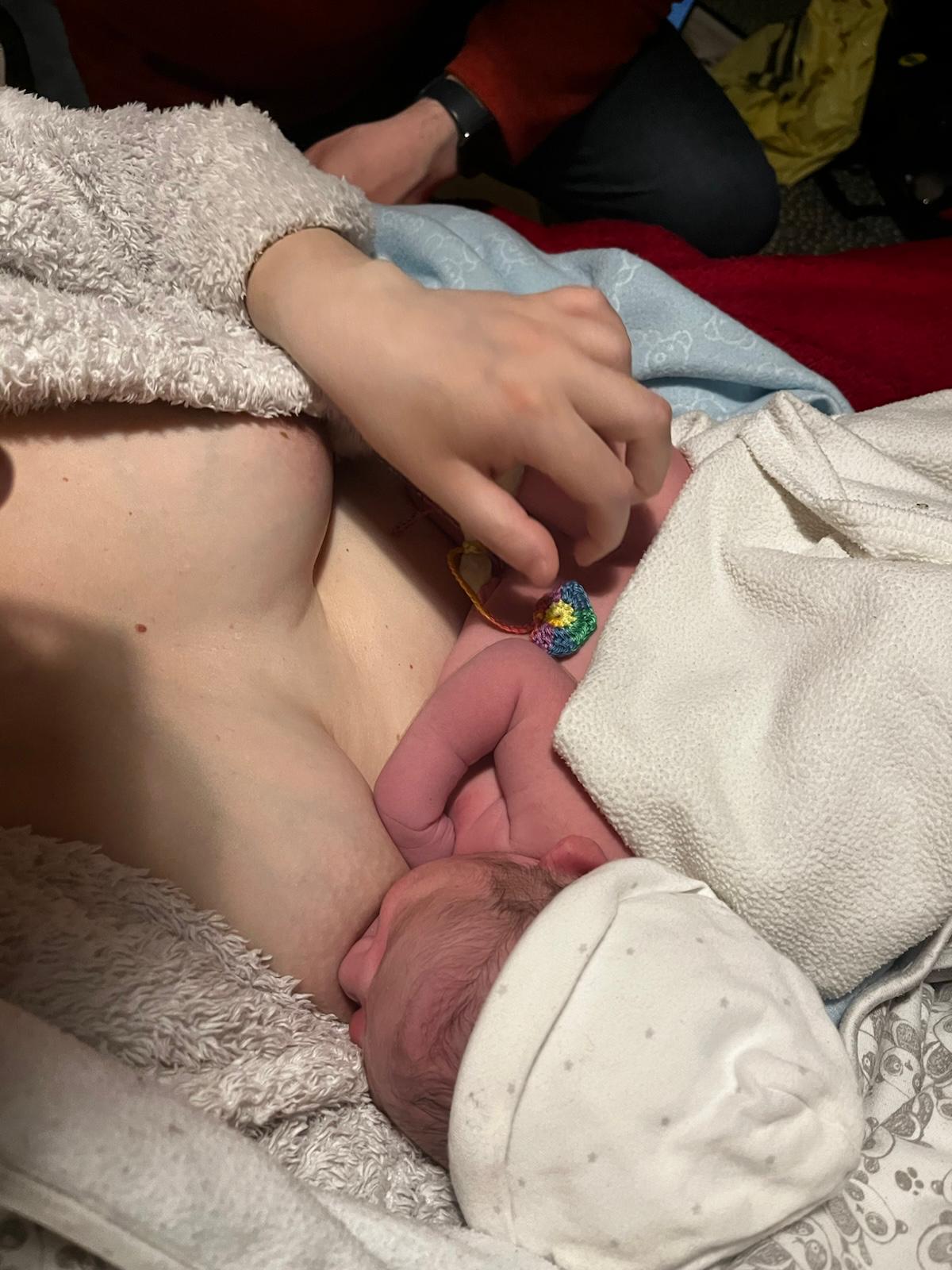
Like every pregnant person, I thought I had a pretty good idea of what it would be like. Maybe you did too.
I had seen babies cry, I was told of the sleepless nights, I knew that life would change. But I thought it was just…an addition. A baby added. I hadn’t realised just how deep, how all consuming, how life altering it would be.
I’d heard of matrescence but I thought it was just a hormone change to help you bond with your baby. I didn’t understand it would be a psychological, emotional, physical and spiritual transition that unfolds as you become a mother. When your baby is born, a whole new version of yourself is formed, one you have never met.
Maybe no one warned you either. Maybe you’re wondering why it feels so hard. You’re not the only one.
Breastfeeding: The Pressure To Get It Right
I thought that breastfeeding was just natural, it’s just what your body did: easy.
I couldn’t really understand why anyone would choose to bottle-feed. I assumed my baby would know what to do and latch on and Bob’s your uncle.
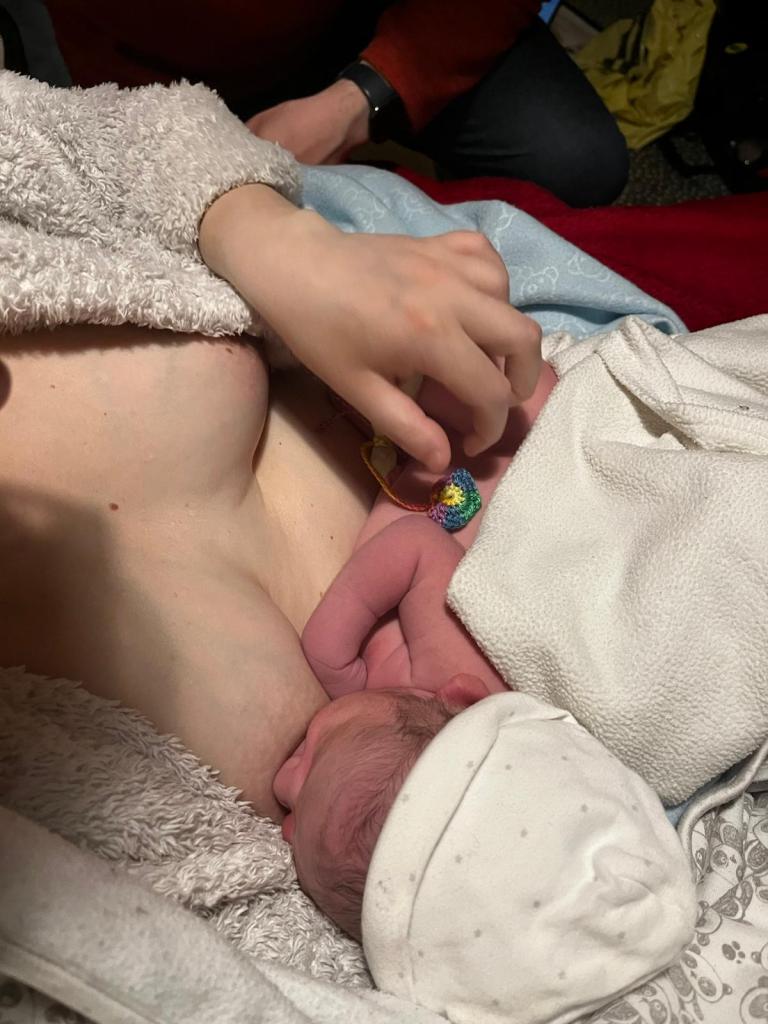
When my baby suckled, I told the midwife he’d fed. I didn’t actually know what that meant. But being born at home I didn’t have round the clock midwives in those early hours. My baby couldn’t feed on day one. I found myself hand expressing onto a spoon and letting them suckle off my finger.
As the days went on; tongue-tie release, hospital admissions, triple feeding plan, nipple shields, I felt a deep, primal need to make it work. I was having to top up with formula. Upping the formula was offered as a break, and well meaning people told me ‘fed is best’. Yet this wasn’t about choice. It was need. I was exhausted, but more determined that ever. Eventually, I was able to feed them exclusively breastmilk without nipple shields. It taught me what fierce, instinctual love really looks like.
Maybe you didn’t have tongue-tie or triple feeding to contend with. Maybe your baby latched just fine. Yet it still felt like a battle; one you weren’t prepared for.
They Say You’re Overreacting-But You Know Better
I raised concerns about food allergies, only to be laughed off and my concerns belittled. The health visitors shrugged: ‘some babies are just like that’. My family thought I was overreacting. ‘They are such a happy baby in the day!’ They were not the ones up with him all night, hearing him scream in pain.
I’d been raised to trust authority. Doctors, health visitors, people with clipboards, they knew best, they have knowledge you don’t have. Then I came to understand: I knew my baby best. Maybe you’re starting to realise that too. That quiet voice inside you? It’s worth listening to. I wish I’d known to trust myself from the start. Now, I question everything. Get curious. Dig deeper.
Secondary Infertility: The Ache No One Talks About
I had fertility struggles the first time, so I thought that having been pregnant before it would happen again more easily. I imagined children close in age. But it didn’t happen. The ache was overwhelming. I couldn’t sit in rooms where people talked about pregnancy. I would often be found crying in the staff toilets. I wanted to be happy for them. Instead, I thought, ‘why not me?’
It felt like I wasn’t allowed to grieve because I already had a child. Like wanting another baby meant I was ungrateful. Like secondary infertility wasn’t valid. But the pain was real. A quiet, aching grief that lived in my body. A reminder that the desire for more children doesn’t always disappear just because one arrives.
Maybe you didn’t cry in the toilets, but your stomach dropped every time someone announced a pregnancy. Maybe you’re in that ache right not, scrolling with a lump in your throat, wondering if it’s ever going to be your turn again.
The Silence No One Prepares You For
No one talks about how lonely you can feel in a house that’s never quiet.
I didn’t realise just how slow life would become. How little you can measurably achieve in a day. The tiredness. The lack of adult conversation. I wasn’t grieving my old life, exactly, but I was disorientated by the quiet, creeping shift away from who I’d once been. Maybe you weren’t either. Yet you still felt untethered, like the scaffolding that held your identity together had quietly been dismantled. The structure of work, the feedback, the identity, all vanished. When I did return to ‘normal life’ after maternity leave, the transition hit hard than I ever imagined. And the wheels kept turning until I burned out.
I wish I’d known it was ok to reinvent. That you don’t have to go back to your old life. You get to create a new one, if that’s what you need (And yes, that decision is layered with privilege. But knowing it’s possible matters)
When You’re Surrounded-But Still Alone
I had no idea how tired my body would be. How deeply touched out I’d feel from the constant feeding. I was in awe of what my body could do, but also shocked by how long recovery would take. Im not talking weeks but months, years.
The advice is to wait until your 6 week check up beef having sex again. No one tells you that it might be months before you even want to. What I needed was touch without expectation. Closeness without pressure. Space for conversation, about sex, yes, but about everything.
If you’re reading this while holding a sleeping baby, unsure when you last showered or ate something that could be considered proper food, you are not alone.
Becoming The Keeper Of Everything
My partner was incredible in those early days, but as time went on, I became the keeper of it all. The one who knew when immunisations were due, what size the clothes were, when to change nappy size.
It’s hard to share the mental load when they’re not there to witness it on a day by day basis. With paternity leave so short, how can they be? So all the baby admin falls to mum.
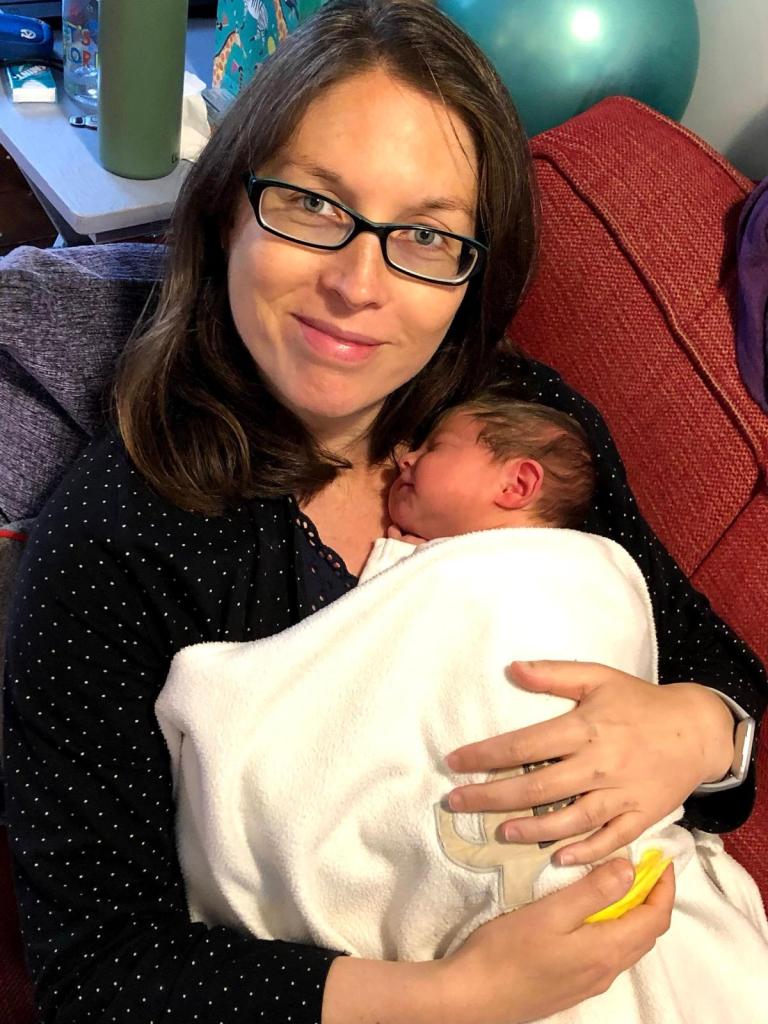
I wasn’t even especially tidy before. But suddenly, just hanging out the washing felt impossible. Making myself lunch too all day, or to be honest I probably just ate a bowl of cereal or ate another biscuit because it’s so hard to make a nutritious lunch one handed. Maybe you’re nodding, crumbs in your lap, scrolling one handed with a baby on your chest.
When I went back to work, there was this intense expectation to be the old, organised me, while everything at home still sat heavily on my shoulders.
Freedom became a memory: leaving the house with just my keys, sleeping in, spontaneous trips out. I miss all of it. Slowly, I’m learning to find joy in the stillness. To stop chasing the version of me that no longer fits. I’m learning how to be- not just do.
When Love and Rage Live Side By Side
People talk about the love. The rush of it. The awe. And yes, there’s love. So much love.
But what I didn’t expect was the rage.
Motherhood strips you bare. It introduces you to parts of yourself you didn’t know existed. I didn’t know I could feel such deep anger, the constant demands, the sensory overload, the sheer injustice of never getting a break.
Yet you can’t walk away. You are the safe place. The calm. Even when you feel anything but.
Sleep deprivation magnifies it. But it’s more than that. It’s the fact no one talks about it. I didn’t know I’d have to teach my child to regulate their emotions while I was still learning to regulate mine.
Were we ever taught how to regulate our emotions or just suppress them? I genuinely can’t remember. Maybe you’ve surprised yourself too. Snapped when you meant to soothe. Then sobbed into the kitchen sink.
Sometimes I shout. Sometimes I cry. Sometimes I get it wrong. And sometime, every once in a while I feel I get it just right. I cling to those moments.
I didn’t know that love and rage could live side by side in the same body. That I could feel unlovable and still be loved by 3 small children. That I could be this strong. But I am. I am far from perfect. I am trying my best.
Why are we so quick to assume that tired, touched-out, and tearful means we’re failing? What if this isn’t failing- what if this is the fire you’re being forged in?
To you, the mum in the thick of it. Yes, you. The one reading this through tired eyes…
If you’re in the thick of it. Confused. Exhausted. Touched out. Angry. Or lost. Remember you are not broken. This is matrescence. It is messy. It unravels you. But if you let it, it will also rebuild you.
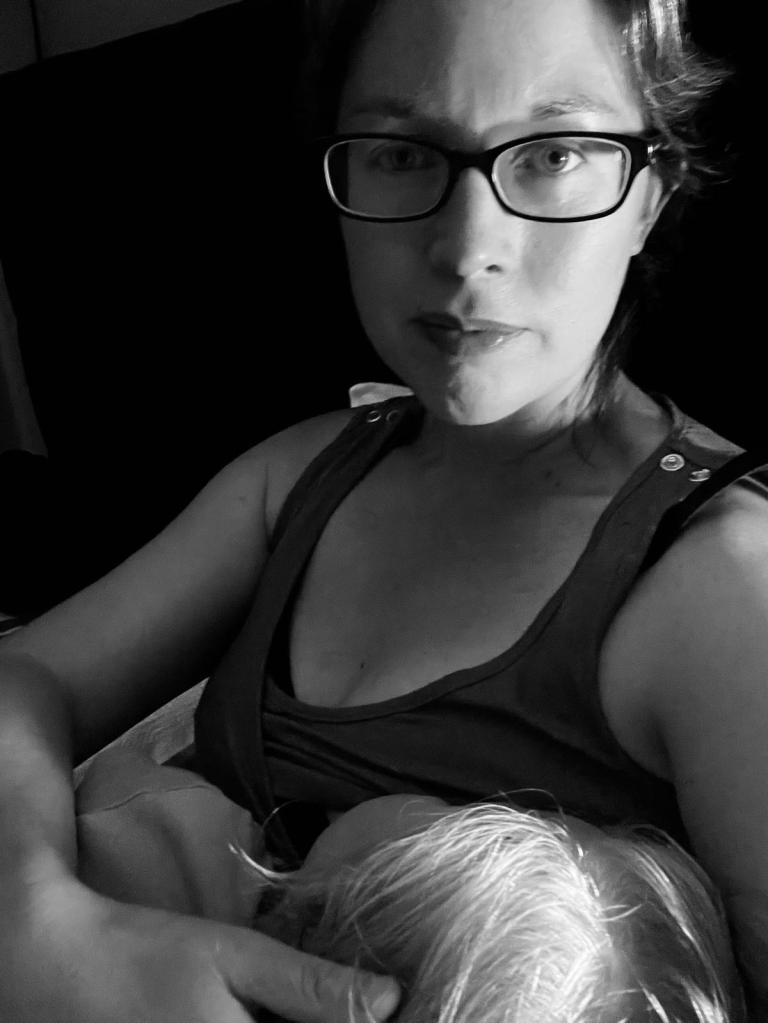
Growth feels a lot like failing.
You are not alone.
This isn’t a guide. It’s not advice. It’s simply what I wish someone had said to me. If you’re reading this and nodding through the tears, know that there is nothing wrong with you. This is the becoming. You don’t have to do this alone.
Yours Always,
Kiki xxx
 Courageous Births and Beyond Empowering Calm, Confident Birth