Pregnancy has a way of turning even the most capable women inside out. One minute you’re full of excitement; the next, you’re drowning in advice, lists, and rules. Everyone has an opinion — and somewhere in the noise, you start to lose your own voice.
When I look back on my first pregnancy, I see someone doing her absolute best but clinging to all the “shoulds” instead of trusting herself.
If I could go back, I’d do less performing and more preparing — not for the perfect birth, but for the real, human, transformative one.
And that’s what I’ve learned since — what I’d do differently.
1. I’d learn about the physiology of birth
Not from NHS pamphlets, but from those who show how the body truly works when it’s left undisturbed.
Birth isn’t something to manage — it’s something your body already knows how to do.
Understanding what actually happens — the surge of hormones, the movements that guide each contraction, the quiet power of being left alone — transforms fear into awe.
We just have to learn to tune in again. Too often, we override our bodies: we hold off going to the toilet, suppress hunger, ignore fatigue. But when we listen, really listen, the body draws us in. It whispers, nudges, guides — showing the way, but only if we follow.
2. I’d learn how to help my hormones
Oxytocin, adrenaline, endorphins — alien, ridiculously scientific words, yet the main players in our birth story.
I’d learn what helps them swell, what holds them back, and how gentle conditions — space, trust, privacy, and love — awaken the body’s own wisdom.
You can’t control birth, but you can nurture the chemistry that guides it.
3. I’d make space in my pelvis
Not because I doubted my baby would fit — but because I’d know how to invite the body to open, soften, and flow.
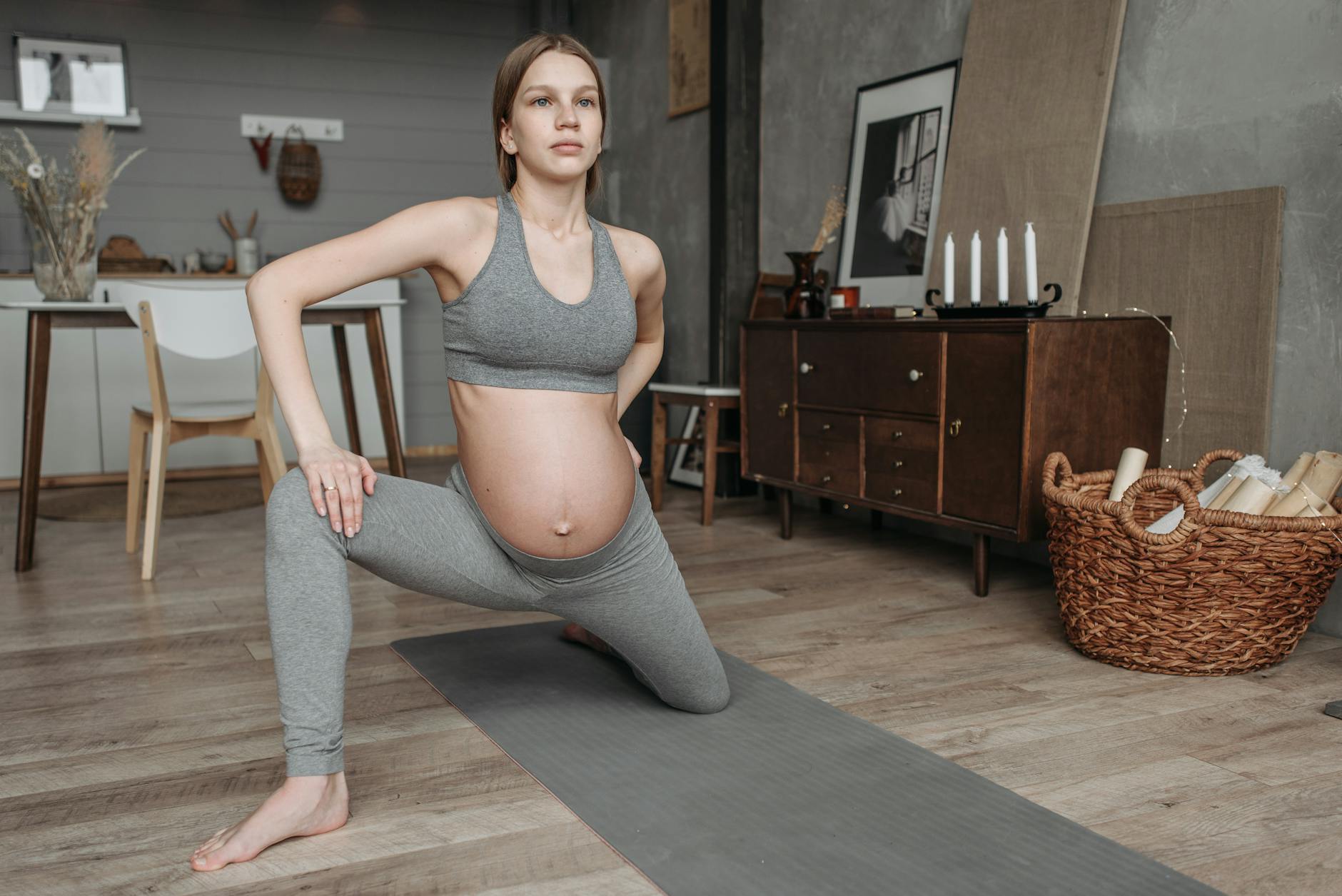
I’d sway with the rhythm of my own heartbeat, rock with the gentle pull of gravity, let my knees bend, and sink or stretch as my body asked. I’d breathe into tight places, exhale tension, and follow the subtle nudges that guide each movement.
Birth isn’t mechanical. It’s a conversation between you and your baby — a dance written in muscle, breath, and instinct.
When you trust it, when you let your body lead, each movement becomes a signal, each shift a step forward. The pelvis is no longer a barrier — it’s space. The muscles are no longer obstacles — they are partners. And in that presence, you don’t push so much as you flow.
4. I’d journal every fear
I used to think that if I pushed the scary thoughts away, they would disappear.
They didn’t.
So I’d write them down, letting the words spill onto the page. I’d watch them take shape, see them for what they really were — shadows in the corners, not monsters in the room. Naming them softened their edges. Facing them made them smaller.
Fear loses its grip when it is spoken, written, acknowledged.
And often, it’s not the birth itself we fear — it’s the loss of control, the worry that no one will hear us, the quiet doubt that we might not be enough.
Once we’ve named them, we can begin to transform them. Those same fears can become guides, reminders, or even sources of strength. We can change the way we view them, turning what once felt heavy into insight, clarity, and courage.
Writing it out — letting it out — is a way to meet those fears without letting them take over, to step into birth with a little more clarity, a little more courage.
5. I’d learn how to advocate for myself
I used to freeze when decisions were needed, unsure how to ask for the support I truly needed.
Not just answers, but time to think, space to weigh options, and insight into what others would personally do in that moment. I didn’t need someone else to decide for me — I needed their presence, their perspective, and the clarity to make my own choice.
Advocacy isn’t about arguing or “knowing it all.” It’s about listening first — to your body, your intuition, and the information around you — and then speaking with confidence. One tool I’d have leaned on is the B.R.A.I.N. framework: Benefits, Risks, Alternatives, Intuition, Nothing (what happens if I do nothing). It’s a way to pause, reflect, and ask for the information you actually need to make an informed choice — without pressure, without panic.
I’d learn the questions to ask, the language to use, the way to hold my ground calmly and firmly. Not to control birth, but to guide it alongside my care team, to protect the space I need to do what my body already knows how to do.
Advocating for yourself doesn’t mean being combative. It means being present, aware, and intentional — using your brain, your voice, and your instincts together. When you step into that role, fear shrinks, confidence grows, and even uncertainty feels navigable.
6. I’d plan how to stay positive, even if things didn’t go to plan
I used to think a “good birth” meant everything went perfectly.
Now I know it’s about how you feel — informed, respected, supported, and safe.
I’d prepare myself emotionally, too. I’d learn ways to stay grounded when plans change, to breathe through uncertainty, and to carry a sense of calm even in the unexpected. I’d actively plan for interventions, for the possibility of a C-section, and find comfort in knowing that these paths can still lead to a positive, meaningful birth experience.
I’d explore how to find pride and meaning in every twist and turn, meeting each moment with presence rather than frustration. A birth that unfolds differently than imagined is not a failure. The shift isn’t in the day itself — it’s in the mindset we carry, the trust we place in ourselves and our bodies, and the confidence that comes from knowing we can navigate whatever arises.
7. I’d make sure my birth partner was truly on board
Not just there for moral support, but fully in it with me.
They’d know what calms me, what unsettles me, and what I need to hear. They’d understand how to protect the space so I could stay focused, grounded, and calm.

Birth isn’t a solo act — it’s a partnership.
Your birth partner might be a spouse, a friend, a parent, or a sibling — whoever you trust to be fully present. When they truly understand the process, the environment, and their role, it shifts everything. The energy in the room changes. The support feels alive, intentional, and strong.
This takes time and planning. They need to take an active role in preparing how to support me, not just follow my lead in the moment. Together, we create a space where my body can do its work, my mind can stay steady, and the birth unfolds with trust, presence, and confidence.
8. I’d learn about breastfeeding before I started
Those first days are raw.
You’re exhausted, emotional, healing — and suddenly, you’re expected to know how to feed this tiny person.
I’d learn about latch, supply, cluster feeding, and what’s truly normal before I needed to. I’d understand what real support looks like, and who to call before the overwhelm hit.
The first 48 hours are crucial. Knowing this ahead of time creates space for patience, confidence, and calm. It turns moments of uncertainty into moments where you can breathe, respond, and connect with your baby, rather than panic.
9. I’d plan for rest and nourishment
Not just freezer meals (though those help), but real postpartum care.
Warmth, comfort, time, and permission to slow down.
You don’t bounce back from birth — you unfurl.
Your body rebuilds. Your mind adjusts. Your energy finds its rhythm again.
Rest isn’t lazy; it’s medicine.
Nourishing food, gentle movement, and space to simply be are what allow healing to happen. Planning for these things ahead of time isn’t indulgence — it’s survival, it’s grounding, it’s giving yourself the care you need to step fully into motherhood.
10. I’d learn about normal baby sleep
I’d stop asking, “Why won’t my baby sleep in their cot?”
And start asking, “What does my baby need from me right now?”

I’d understand that wakefulness isn’t failure — it’s biology.
That closeness, not independence, is what helps babies — and mums — feel safe enough to rest.
I would lean into contact naps and cosleeping, letting my baby find comfort and rhythm with me, and letting myself rest in those moments of closeness. Learning this would let me lean into early rhythms, meet my baby with presence instead of pressure, and find my own rest and confidence in the process.
What I’d do the same
I’d have a home birth.
Because that part felt right in my bones.
It wasn’t the easiest choice, but it was the one that made me feel calm, safe, and powerful.
Even with everything I’ve learned since, that quiet certainty still stays with me — a reminder that sometimes the right choice isn’t the easiest, but it’s the one that lets you trust yourself completely.
If I were pregnant for the first time again, I’d do less performing and more preparing — not for the perfect birth, but for the real, human, transformative one.
And that’s the work I do now: helping women move from uncertainty to confidence, from overwhelm to trust.
Because the more we understand what’s truly happening — in our bodies, our hormones, and our hearts — the more birth begins to make sense again.
If you’re pregnant and want to feel grounded, informed, and ready for whatever your birth brings, that’s exactly what we explore in Radiant Mums Club.
We talk about the real stuff: how to stay calm when plans change, how to make confident decisions using both intuition and information, how to bring your partner fully into the process, and how to create an environment where your hormones — and your confidence — can flow.
It’s not about perfect births. It’s about real women, real preparation, and feeling at home in your own body as you do the most extraordinary thing it will ever do.
→ Find out more about joining the next Radiant Mums Club circle [here].
 Courageous Births and Beyond Empowering Calm, Confident Birth