
This might sound counterintuitive. But birth preparation isn’t just about learning what happens during birth. It’s also understanding your own response to the very idea of birth.
Don’t get me wrong, understanding how the birth process works is hugely valuable and is often where people start but without doing the foundation work this research can quickly tumble into information overload. When we do a quick Google search of ‘what happens when you give birth’ you are sent down the route of the stages of labour, pain relief, monitoring, birth positions, birth plans. There are so many wonderful podcasts and articles out there and very soon you end up knowing loads about birth, yet you get lost in the information without understanding your own response to it. By following these steps, you get to the heart of what really matters to you when it comes to birth and from there you can start preparing.
Writing things down, getting them out of your head can be a really useful place to start.
1. What happens in my body when I think about birth and labour?
Firstly, make a list titled: What happens in my body when I think about birth?
You’re simply trying to notice what is going on. You don’t need to classify it or try and fix it. Simply notice.
Here are some of the things you might be feeling to get you started:
- Heart racing
- Feeling calm
- Chest tightens
- Butterflies
- Tense jaw
- Restless thoughts
- Feeling excited
- Wanting to avoid thinking about it.
That physical response gives you useful information about what is going on for you. At this stage you don’t need to do anything more with that information but acknowledge that this is a whole-body experience and you have a physical reaction.
2. What will matter to me when I look back on my birth story?
Secondly make a list titled: What will matter to me when I look back on my birth story?
Once your beautiful baby is here and you are in the thick of parenting, when you look back at the birth, what really mattered to you, what was it that made you feel cared for, respected, involved and supported, whatever happened.
It’s easier to build from your values up rather than your choices down.
You might choose to have a waterbirth. But let’s get to the underlying value here. Most likely you want time, privacy, calm and the freedom to move. All things that a waterbirth can give you. But what happens when a waterbirth is no longer an option? Your values still remain the same and can be respected.
For example,
- Feeling listened to
- Understanding what was happening at each stage
- Feeling involved in the decision making
- Feeling safe
- Being supported
- Having your partner know how to help
- Having time and space
- Being treated with kindness
The point here isn’t to create a perfect birth. It’s to identify what matters underneath the preferences.
Ask any mother how they felt in birth and no matter how many years it’s been since her baby she will tell you about those feelings in an instant.
3. What have I heard about labour and birth that’s sticking in my head?
Thirdly make a list titled: What have I heard about birth that’s sticking in my head?
You might think that you know very little about labour and birth, but I promise you that your brain already has a folder tidied away labelled birth. In it is all sorts of encounters with birth you’ve had since you were a child.
Filled with
- The books you’ve read
- The TV and films you’ve watched
- Friends
- Family
- Social media
- Previous personal experiences
- Historical references (former history teacher here)
What’s most important is that it doesn’t even need to be something dramatic, it might have just been a passing comment, yet it just sticks in your head.
You will have absorbed way more about birth than you realise. So which bits stuck?
Your body tells you how you’re responding.
Your values tell you what matters.
Your stories tell you what you’ve already absorbed.
Now you have a starting point.
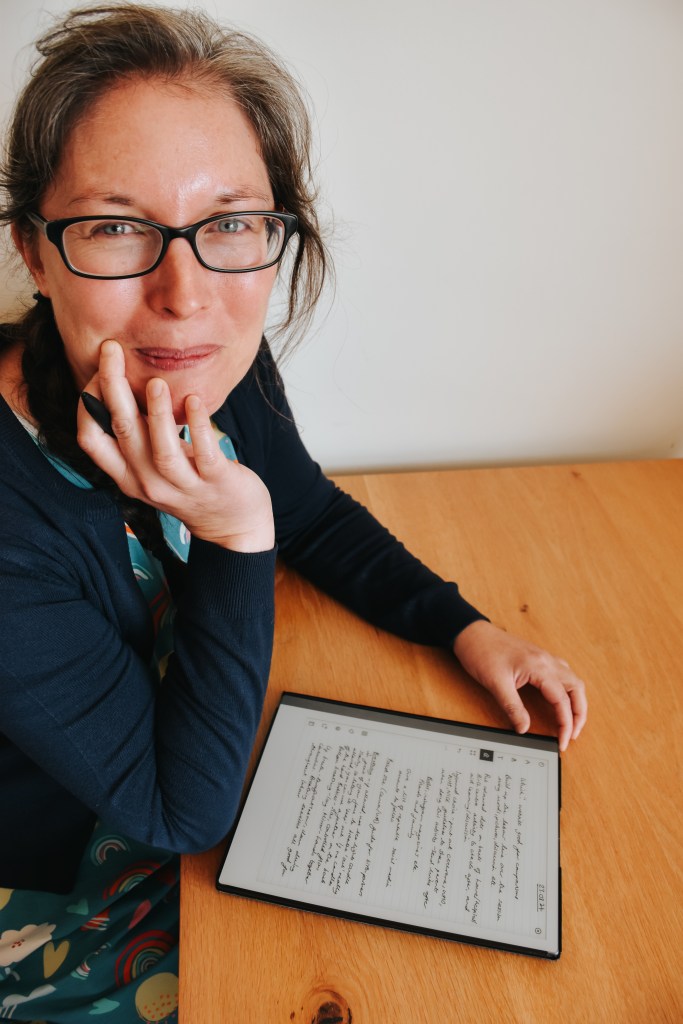
Those three things are your foundation. Your body, your values and the birth stories you’ve squirreled away in the mental birth folder, they all give you clues about what might be useful for you to explore as you prepare. Once you’ve explored these, then you can start researching birth. With a purpose. A starting point. A filter that helps you to decide what information is actually useful to you.
It’s easy to say ‘just relax’ in pregnancy but when you have 9000 thoughts running through your head at once, relaxation just isn’t that easy. But what if relaxation wasn’t trying to switch off your thoughts but understanding what is creating the noise?
If you don’t know where to start with birth preparation, you don’t necessarily need more information. First, you might need to understand yourself.
Grab a piece of paper. Make three lists. Don’t Google anything while you’re doing it.
Not sure where to go from here?
These three questions are a starting point, not the whole of birth preparation. Once you understand what matters to you, you can start exploring the information, choices and practical tools that will actually help you.
That’s exactly why I created my free Birth Preparation Mini-Series, a simple place to start if you’re not sure what you need to know or where to begin.

